Styling·4.7(31)
How to Layer a 3-Layer Shell System
Neo-Streetwear Tech on building a shell system that actually breathes and moves — base, mid, and seam-sealed 3L outer — instead of a sweaty stack that only works standing still.
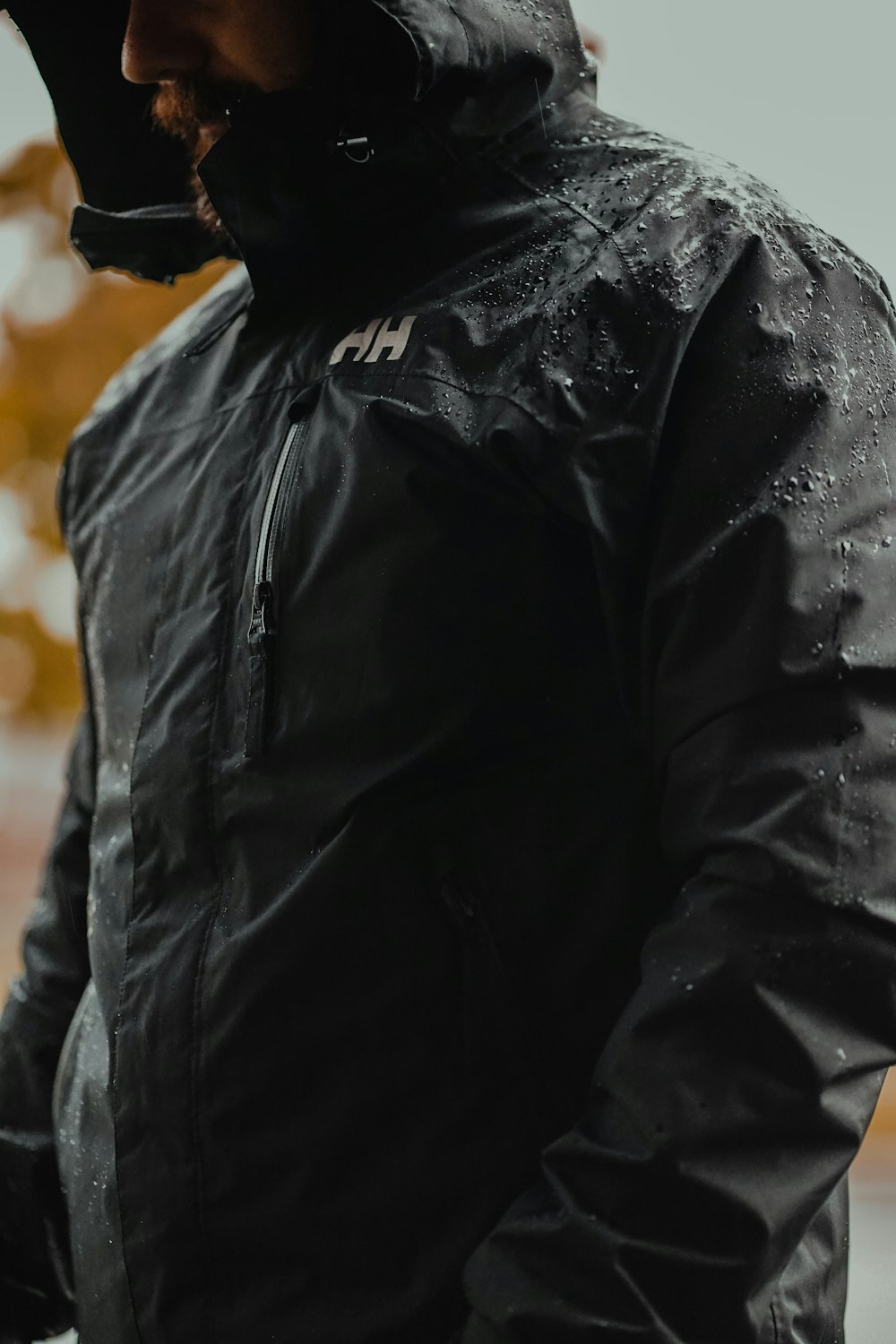
A seam-sealed 3-layer shell is the most capable garment most people own and the most commonly misused. Wearers either suffocate under it or soak through from the inside and blame the jacket. The shell is almost never the problem — the system around it is. Build the layers to cooperate and a technical shell stops being a rain tent and starts being clothing you can move hard in.
Understand what “3-layer” means first
The “3L” in a shell refers to the fabric’s own construction, not your outfit: a face fabric, a waterproof-breathable membrane, and a bonded inner backer, laminated into one piece. That is different from the three-layer clothing system you build around it. Confusing the two is where most advice goes wrong. The shell is a single layer in your system, no matter how many layers its fabric has.
One job per layer
Every functional cold or wet outfit resolves into three roles:
- Base sits against the skin and moves moisture off it. Merino or a synthetic knit, fitted but not tight.
- Mid traps warmth. A gridded fleece or light active-insulation piece that you add or shed as the effort changes.
- Shell blocks wind and rain and dumps excess vapor. This is your seam-sealed 3L.
Trouble almost always comes from doubling up within a role — two insulating mids, or a softshell under a hardshell — which leaves you stiff, overheated, and wet from your own sweat.
Match breathability, not just warmth
A shell can only pass as much moisture as the layers beneath let reach it. Pair a highly breathable 3L membrane with a dense, non-wicking cotton base and the vapor condenses inside before it ever reaches the membrane. The whole system is limited by its least breathable layer, so keep every layer in the same breathability class as the shell.
Dress for the effort, not the forecast
The classic mistake is dressing for how cold it feels while standing at the trailhead. You will warm up within minutes of moving. Start slightly cold:
- Begin a climb in base and shell only, mid stowed.
- Add the mid the moment you stop and start losing heat.
- Open the pit zips and front zip before you shed a layer — venting is faster than restacking.
Let the shell set the proportion
Streetwear and technical wear meet at the silhouette. A cropped shell wants a tapered trouser beneath it; a long shell wants a slimmer leg so you do not read as a block. Balance volume on top with restraint below, keep one accent or reflective detail as a through-line, and the kit reads composed rather than like three jackets fighting.
Build from the skin out, give every layer a single job, match breathability across the stack, and vent before you strip. Do that and a 3L system handles the climb, the summit wind, and the walk back without ever making you choose between dry and warm.
Rate this story
·
Comments (2)
Kai T.
I was wearing a fleece under a softshell under a hardshell and wondering why I boiled on the climb. The 'one job per layer' rule fixed my whole kit.
Noor
The bit about matching breathability across layers is the thing every gear review skips. Vented my base and the shell finally kept up.